Is it Ethical to Offer a Lower Standard of Care to Underserved Communities?
Friday, June 12, 2026

A Question for Our Legislators: Is it Ethical to Offer a Lower Standard of Care to Underserved Communities?

Click to Enlarge
Colleagues:
Although the legislation providing for the independent practice of physician assistants did not advance in the New York State’s 2026-27 budget, I remain concerned that similar legislation may come back at another time. For me, one of the most troubling aspects of the independent practice debate is not whether physician assistants and other non-physician providers contribute meaningfully to healthcare, but rather the ethical questions surrounding patient safety, scope of practice, patient confusion, access versus quality, and professional responsibility.


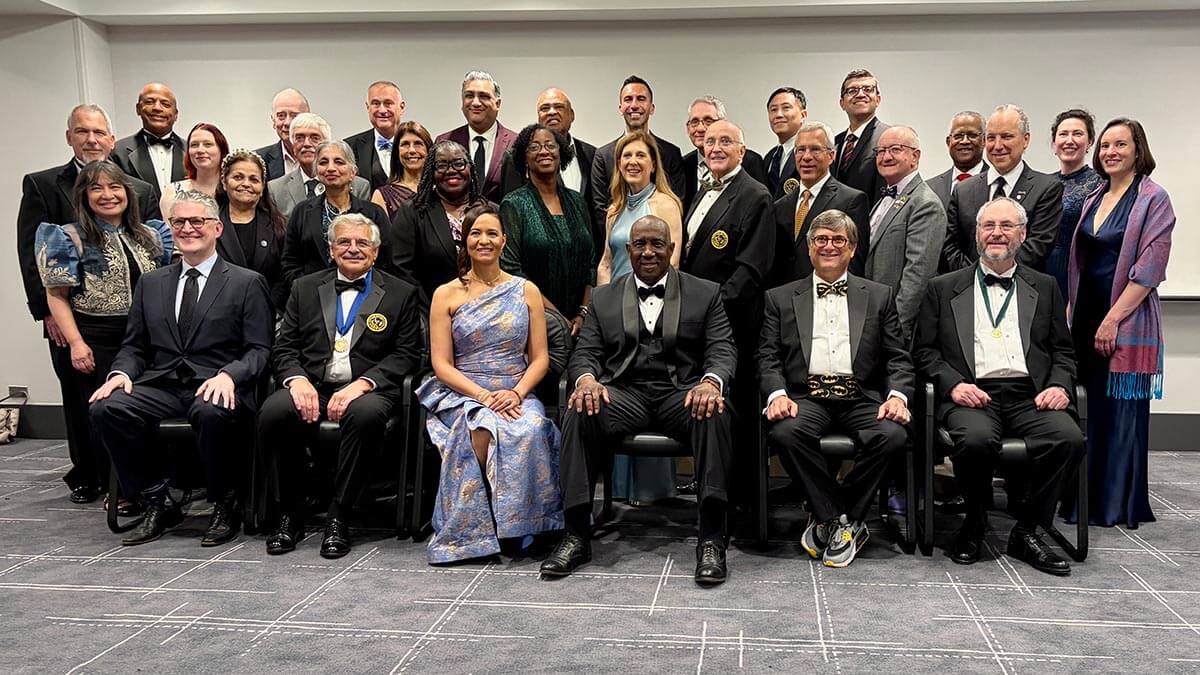
MSSNY Member Elected 181st President of the AMA

Click to Enlarge
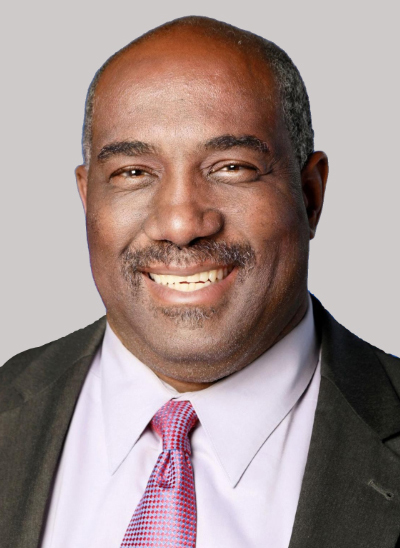
This year, one of MSSNY’s own stepped onto the national stage as Buffalo-based urologic surgeon Dr. Willie Underwood III was inaugurated as the 181st President of the American Medical Association (AMA), the nation’s largest physician organization.
Dr. Underwood assumes the AMA presidency at a defining moment for American healthcare. During his inaugural address, he emphasized the importance of bringing physicians together across specialties to improve patient outcomes, strengthen the physician workforce, and ensure that physicians help shape the policies that affect healthcare delivery. He called for a healthcare system that works “not only for some of us, but for the sum of us,” highlighting the need to address gaps in access, outcomes, and opportunity.
A urologic surgeon, educator, advocate, and prostate cancer survivor, Dr. Underwood brings more than 25 years of clinical experience to the role. He previously served as Chair of the AMA Board of Trustees and has dedicated much of his career to advancing collaboration among physicians while addressing complex healthcare challenges. As only the second urologist and third Black physician to serve as AMA president, his election represents an important milestone for organized medicine.
Throughout his remarks, Dr. Underwood spoke passionately about the importance of service, leadership, and advocacy. He challenged physicians to confront healthcare inequities, support one another, and continue building a healthcare system that delivers high-quality care to every community. His message reinforced a belief shared by MSSNY and physician leaders across New York: meaningful progress happens when physicians work together to advocate for both patients and the profession.
MSSNY congratulates Dr. Underwood on this historic achievement and looks forward to working alongside physician leaders nationwide to strengthen healthcare, support physicians, and improve outcomes for the patients you serve.
MultiPlan Litigation Update May 2026

Click to Enlarge
The Medical Society of the State of New York (MSSNY) is a plaintiff in the MultiPlan Health Insurance Provider Litigation, a federal antitrust case alleging that MultiPlan and major health insurers colluded to suppress out-of-network reimbursement rates paid to physicians and other providers. MSSNY is seeking an immediate end to this anti-competitive conduct.
At the May 15 case management conference, the parties discussed with Judge Kennelly the ongoing exchange of evidence from the defendants, including disputes over access to the source code for MultiPlan’s algorithms and cell phone records of communications between defendants. The court resolved several of those disputes, approved a 60-day extension to the case schedule, and allowed plaintiffs to update their complaints to add new defendants as the case continues to develop.
The case remains in active discovery, with the 36 bellwether plaintiffs continuing to have their cases worked up for trial. However, any member who wants to file a case still can do so. Members who believe they’ve been impacted by MultiPlan’s practices are encouraged to reach out to an attorney.
Let us know if you are interested in attending a webinar with members of the court-appointed committee of plaintiff attorneys for non-class plaintiffs to learn to examine your reimbursements to see if you were potentially impacted by Multiplan’s conduct; provide updates on the case; and discuss how the litigation could impact reimbursement and patient care.

AMA President Dr. Underwood Featured Speaker at New York County Medical Society 2026 Annual Meeting
Click to Enlarge
Join colleagues from across New York City at the New York County Medical Society’s 2026 Annual Meeting as NYCMS celebrates its incoming leadership and the physicians shaping the future of medicine.
Hear from keynote speaker Dr. Willie Underwood III, President of the AMA, and connect with fellow physicians on the healthcare policy, advocacy, and practice challenges affecting medicine today.

Leadership Starts with You

In a new video testimonial, physician leader Dr. Tochi Iroku-Malize shares how MSSNY’s Women Physicians Leadership Academy helps physicians develop the leadership, communication, advocacy, and decision-making skills rarely taught in traditional medical training.
Strong physician leadership improves teams, strengthens organizations, and helps shape the policies that impact patient care. Programs like the Academy help physicians build the confidence and skills needed to lead at every level of medicine.
MSSNY’s Women Delegates Show Leadership at the AMA Meeting
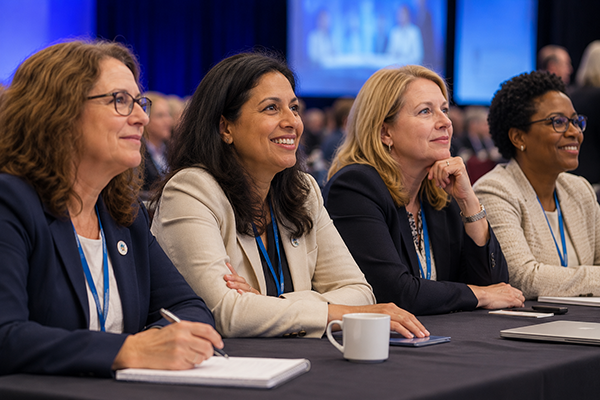
Click to Enlarge
MSSNY’s women delegates proudly represented New York physicians at the AMA Meeting, bringing leadership, advocacy, and a strong physician voice to the national stage.
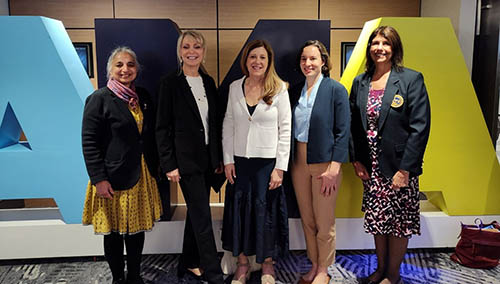 Sandhya Malhotra, MD, Rose Berkun, MD, Bonnie L. Litvack, MD, Jocelyn C. Young, DO, Myrna Sanchez, MD.
MSSNY Physicians and Their Talented Children Unite at AMA Meeting!

Click to Enlarge
A proud MSSNY moment at the AMA Meeting: physician parents and their talented children representing both today’s leaders in medicine and the next generation of physicians.
 Hudson Jakubowicz, David M. Jakubowicz, MD, Daniel M. Young, MD, Jocelyn C. Young, DO, Thomas T. Lee, MD, Alyssa Lee.
Registration Now Open: Medical Matters: Ebola: What Physicians Need to Know About the 2026 Outbreak

Click to Enlarge
The World Cup is taking place in a matter of weeks, and an estimated 5-10 million athletes and spectators from around the globe will be coming to North America, including New York. Compounding the logistics required to ensure public health and safety during an event of this scale, there is an ever-growing Ebola outbreak taking place in Africa. The current outbreak is the Bundibugyo ebolavirus strain and is not shielded by the currently approved Ebola vaccine and has a death rate as high as 50%. Register now for Ebola: What Physicians Need to Know About the 2026 Outbreak on June 17th at 7:30 am View flyer to learn more. Faculty for this webinar is William Valenti, MD, Chair of MSSNY Infectious Diseases Committee. or
Educational Objectives:
- Analyze the clinical features of Ebola including the impact of various strains
- Recognize the global threat posed by Ebola
- Identify lessons learned from previous outbreaks
- Outline resources to prepare for expanded spread of Ebola
- Summarize best practices to protect against current and future Ebola outbreaks
*This program is supported in whole by a DHHS grant entitled New York State Hospital Preparedness Program
Additional information or assistance with registration may be obtained by contacting Melissa Hoffman at [email protected].
The Medical Society of the State of New York is accredited by the Accreditation Council for Continuing Medical Education (ACCME) to provide continuing medical education for physicians.
The Medical Society of the State of New York designates this live activity for a maximum of 1.0 AMA PRA Category 1 credits™. Physicians should claim only the credit commensurate with the extent of their participation in the activity.


Financial Planning for Physicians

Click to Enlarge
Physicians face unique financial challenges, from retirement planning and tax strategies to practice transitions and wealth preservation. Through MSSNY’s partnership with Altfest Personal Wealth Management, members have access to fiduciary guidance tailored to the realities of a medical career.
Altfest’s team provides comprehensive financial planning designed to help physicians make informed decisions, reduce uncertainty, and build long-term financial confidence.
Take the next step toward your financial future. Schedule a Consultation